






The Science
Blue Light Therapy for Acne: What the Research Actually Shows
It doesn't strip or peel your skin like some actives. Here's how blue light works on breakouts.
Acne treatments often force a trade-off: they work, but they leave skin red, peeling, or stripped. Blue light therapy takes a different route: it goes after the bacteria behind breakouts without the harshness of many topicals. Here's the science, honestly told.
How blue light works on breakouts
Acne-causing bacteria (Cutibacterium acnes) naturally contain compounds called porphyrins. When blue light in the roughly 415-460nm range reaches them, it triggers a reaction that generates reactive oxygen species inside the bacteria, a bactericidal effect that lowers the bacterial load driving inflammation. Because it's non-thermal and drug-free, there's no dryness or peeling.
Blue light doesn't strip your skin. It targets the bacteria and leaves your barrier alone.
What the clinical studies found
A multicentre investigation of 415nm blue light in inflammatory acne reported improvement over 4 to 8 weeks with no notable side effects (Tremblay et al., 2006). Combination studies pairing blue (415nm) with red (633nm) light, where red adds a deeper, calming action, found the combination effective for mild-to-severe acne and well tolerated (Goldberg & Russell, 2006). A broader review of 415/633nm phototherapy reached similar conclusions on both efficacy and tolerability (JCAD, 2025).
The honest picture: blue light works best for mild-to-moderate inflammatory acne, rewards consistency, and pairs well with a gentle routine. It is not a substitute for medical care in severe or cystic acne, which needs a dermatologist.
Blue vs. red: why masks run both
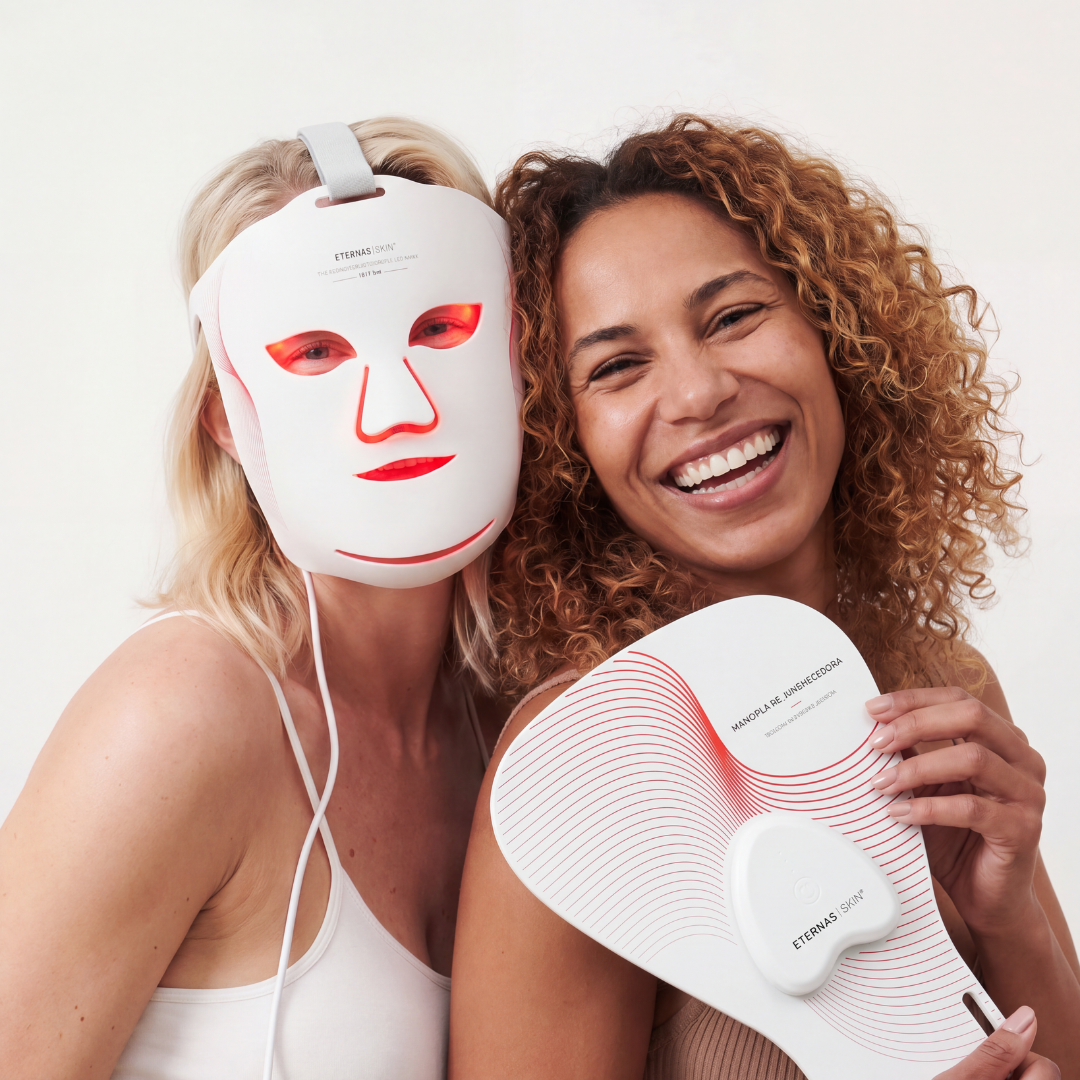
Blue handles the bacteria near the surface, while red (630-660nm) reaches deeper to calm inflammation and support healing. That's why multi-wavelength masks combine them, so you address the cause and the aftermath in a single session.
How to use blue light at home
On clean, bare skin, a short daily session (around 10 minutes) with a mask that includes a blue wavelength. Give it 4 to 8 weeks, and keep the rest of your routine gentle, since there's no need to pile harsh actives on top.
Frequently asked questions
Does blue light therapy dry your skin out?
No. It's non-thermal and drug-free, so it doesn't cause the dryness or peeling common with many acne actives.
How long until blue light helps acne?
Studies generally show improvement across 4 to 8 weeks of consistent use.
Can I use it with my acne skincare?
Usually yes, but keep the routine gentle. If you use prescription retinoids or are under a dermatologist's care, check with them first.
Is blue light safe for the eyes?
Keep your eyes closed during use and follow the device instructions. Quality masks are designed for facial use.
Clearer skin, minus the stripping
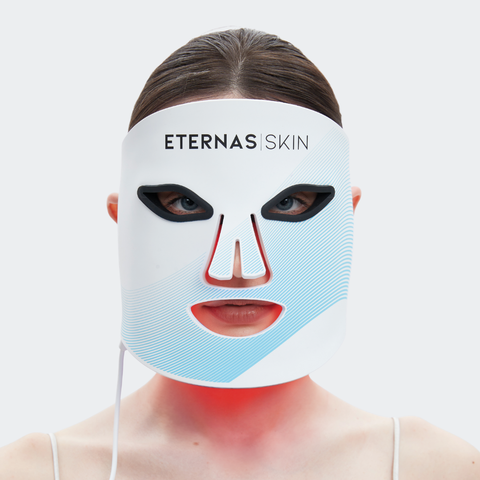
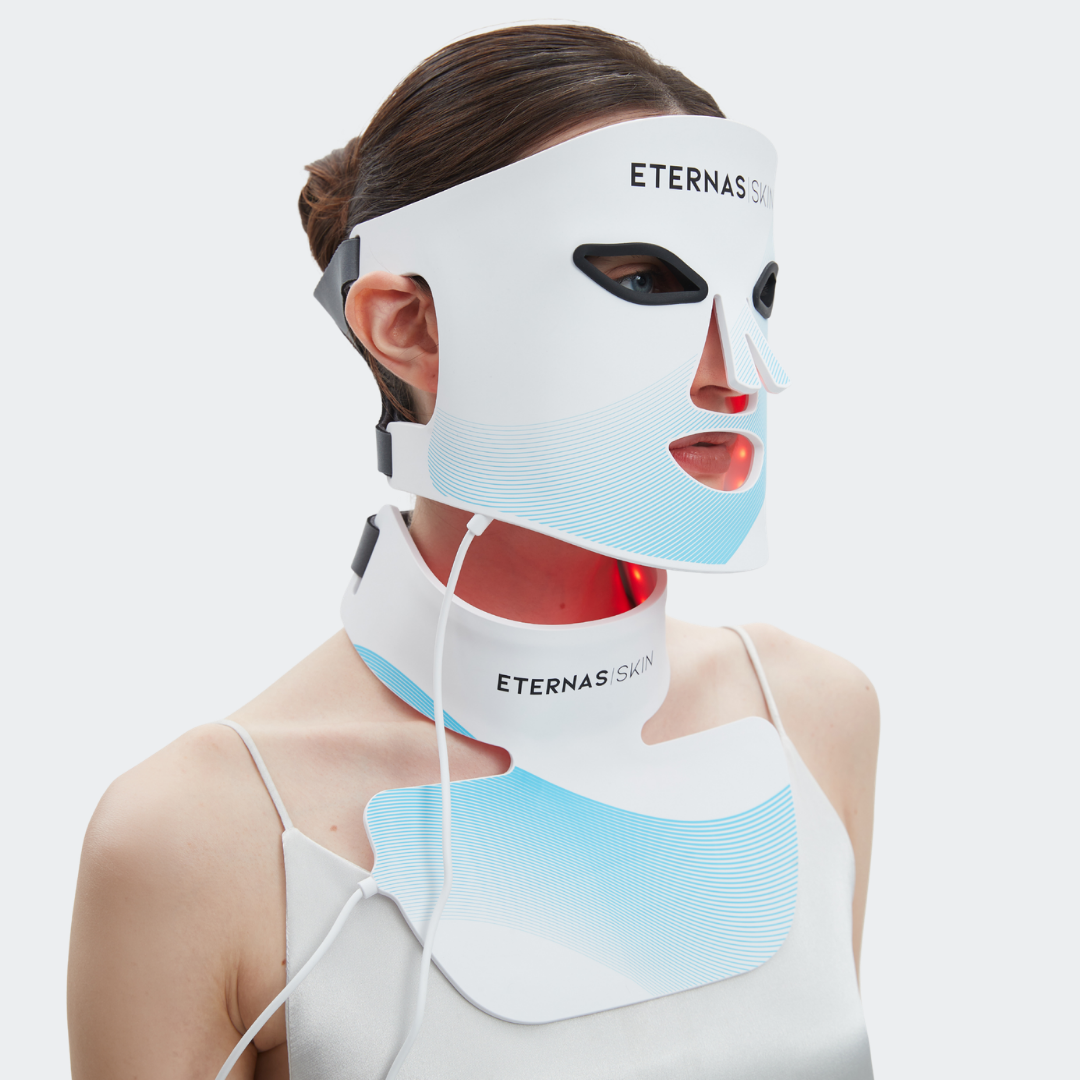
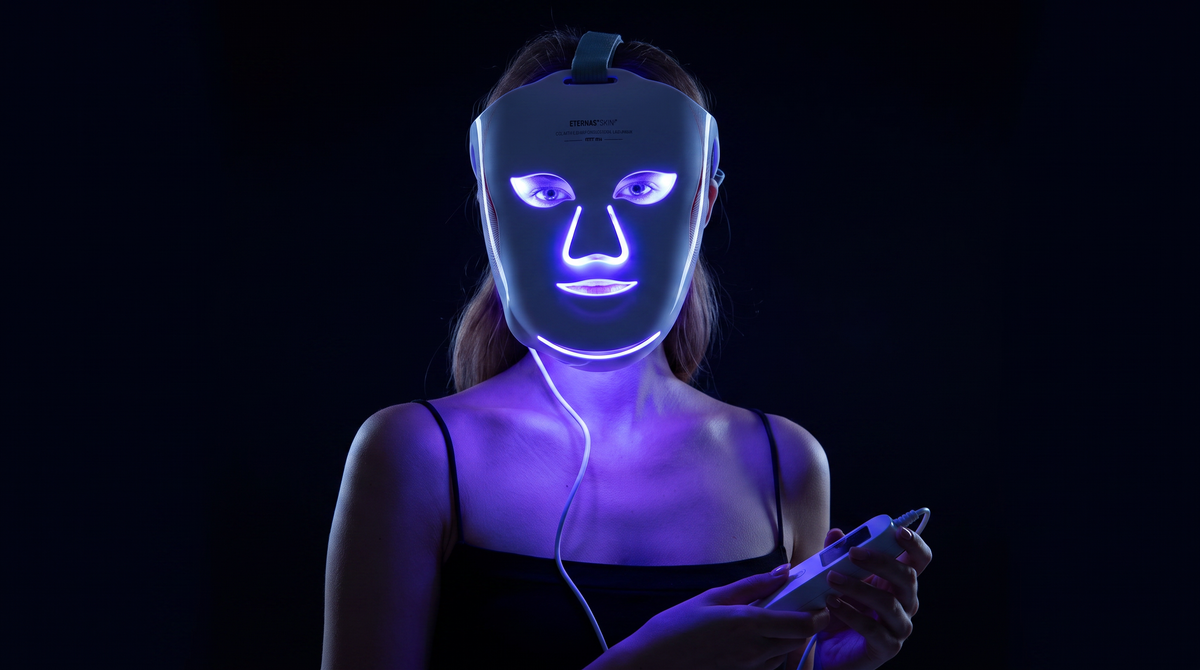
The Pro LED Mask pairs blue and red light in one 10-minute session.
Shop the Pro LED Mask- Tremblay JF, et al. Light-emitting diode 415nm in the treatment of inflammatory acne. J Cosmet Laser Ther, 2006. PubMed
- Goldberg DJ, Russell BA. Combination blue (415nm) and red (633nm) LED phototherapy in acne vulgaris. J Cosmet Laser Ther, 2006. PubMed
- A 7-week study on 415/633nm phototherapy for mild-to-moderate acne. J Clin Aesthet Dermatol, 2025. JCAD