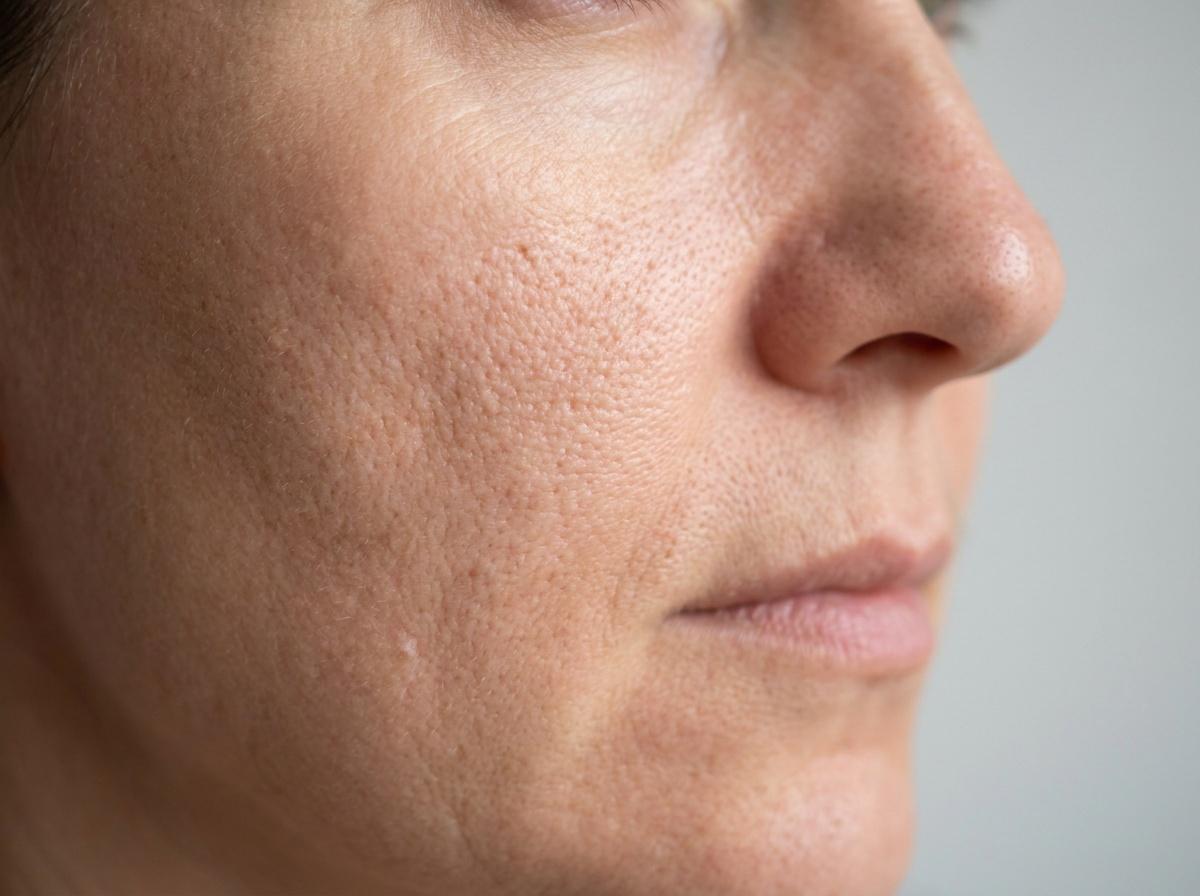
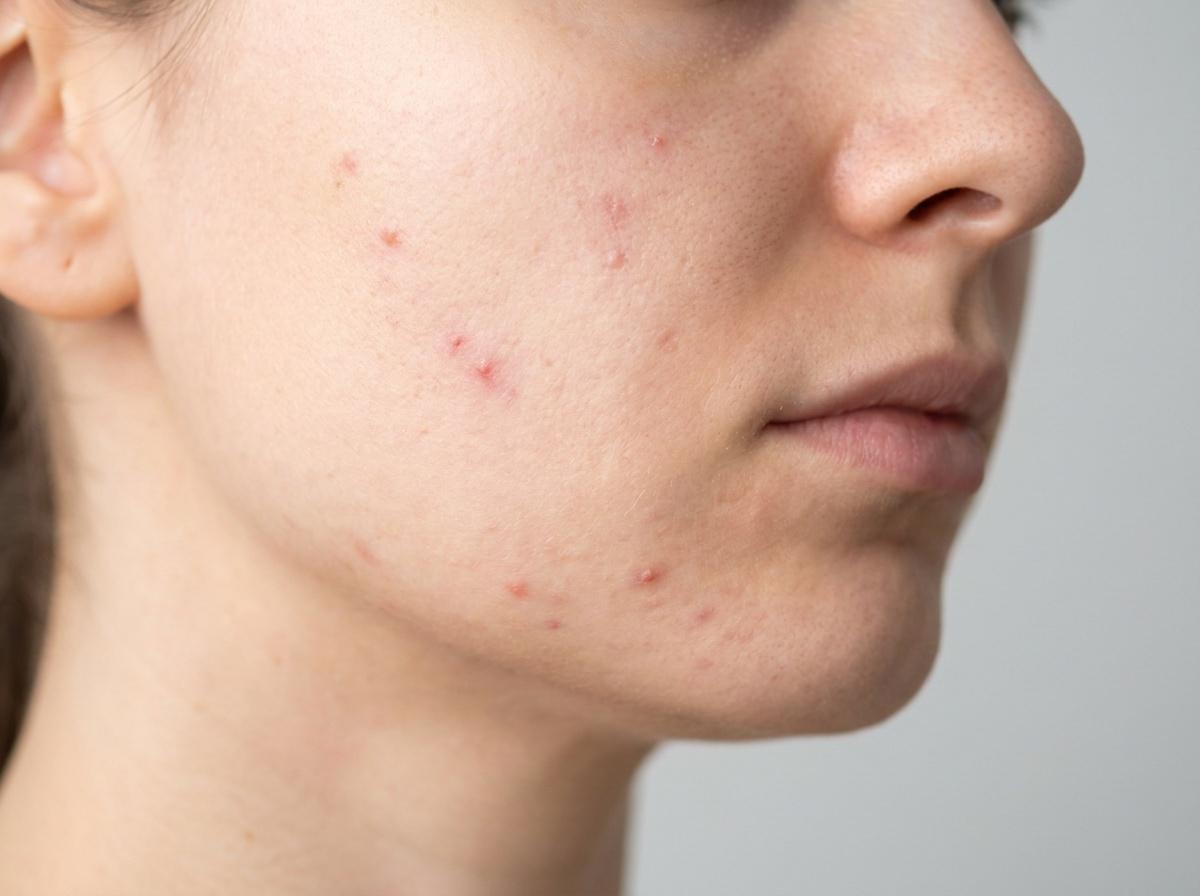
Why they appear
According to Cleveland Clinic, as we age skin cells divide more slowly and the dermis thins. The network of collagen and elastin that supports the skin loosens over time.
On top of that, repeated facial movements such as frowning, squinting and smiling, combined with gravity, deepen lines.
What makes them more obvious
Cleveland Clinic names these factors:
- Ultraviolet radiation, which breaks down collagen and is known as photoageing.
- Smoking, which reduces production of new collagen.
- Environmental pollutants, such as particulate matter and nitrogen dioxide.
- Habitually leaving make-up on, which can clog pores and restrict collagen production.

Daily habits that help
The same source says wrinkles cannot be fully prevented, but early ones can be reduced. Wear sunscreen daily, avoid tanning beds, moisturise and remove make-up every night.
Not smoking, staying hydrated and eating a balanced diet also count.
What technology can do, and its limits
Red and near-infrared light is absorbed by mitochondria in skin cells. The hypothesis is that this raises cell energy and switches on pathways linked to repair. A review of low-level light therapy lists it among photorejuvenation uses for wrinkles and laxity, but admits many studies are small, some report negative results, and the best dose and wavelength are not agreed.
Radiofrequency turns the current passing through tissue into heat. That heat is linked to collagen contracting and reorganising and to new fibres forming. The authors of a review on non-surgical tightening admit many devices have not lived up to expectations, and their conclusions refer to clinical equipment.
A randomised trial of 108 women tested facial neuromuscular electrical stimulation for twelve weeks, twenty minutes a day, five days a week. It was associated with a thicker zygomaticus major muscle and better self-rated firmness. The control group received no intervention and the study was only partly blinded. In cosmetic terms, these technologies may help improve the look of fine lines. They do not remove them.
Using a device at home safely
Apply the device to clean skin and follow the manufacturer time and intensity. With radiofrequency and electrical stimulation, avoid use if you are pregnant, have a pacemaker or another implanted device, or have open wounds in the area.
Always protect the eye area as the instructions say, and stop the session if you feel pain, excessive heat or irritation.
When to see a dermatologist
Cleveland Clinic suggests seeing a professional if you want to start a treatment plan, or if wrinkles appear very early. After a treatment, also get in touch if the skin does not heal, becomes infected, or you have severe pain, swelling or bruising.
If you notice a spot or mole that changes, book a visit without waiting.
Realistic expectations
Wrinkles are part of normal ageing and cannot be completely prevented. Home devices can sit alongside sun protection and moisturising, but the evidence cited here comes largely from small studies or clinical equipment.
Think of it as looking after your skin, not erasing your age. Small, steady habits such as daily sun protection tend to matter more than any single product or device, and a device is best added once the basics are already in place.
Sources
- Cleveland ClinicWrinkles & Fine Lines: Types, Causes & Prevention
- PubMed Central (Seminars in Cutaneous Medicine and Surgery)Low-level laser (light) therapy (LLLT) in skin: stimulating, healing, restoring
- Plastic and Aesthetic ResearchNon-surgical skin tightening
- Journal of Cosmetic DermatologyUse of a neuromuscular electrical stimulation device for facial muscle toning: A randomized, controlled trial
Informational content. It does not replace the advice of a healthcare professional. Images are illustrative, not customer results.