What it is and why it appears
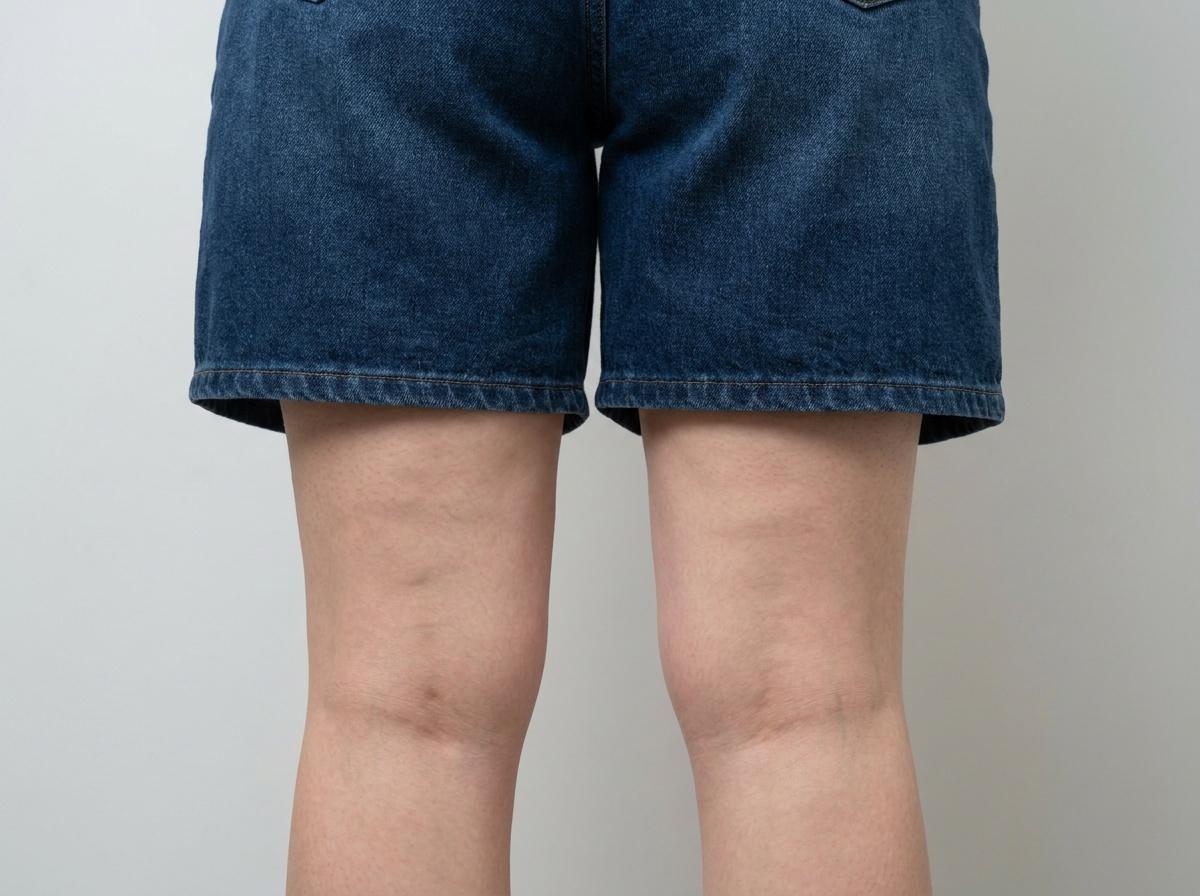
According to Cleveland Clinic, cellulite is a common, harmless cosmetic condition. Fat deposits push against the connective tissue under the skin and give it a dimpled or lumpy look, most often on the thighs, stomach and buttocks. It is not painful and does not affect overall health.
The exact cause is not known. One description is that fibrous bands connecting the skin to the muscle below tighten unevenly and pull the skin down while the fat beneath pushes up.
What favours it
Cleveland Clinic lists several risk factors:
- Being female: it is far more common in women than in men.
- Genetics and skin thickness.
- Age, because skin loses elasticity.
- Body fat and weight gain, although very lean people can have it too.
- A high-calorie diet rich in carbohydrates, fat, preservatives and salt.

Daily habits that may help
The same source mentions regular exercise, especially resistance training, running and cycling, along with healthier eating. It gives two to three months as a possible timeframe for exercise to show an effect.
Creams with caffeine or retinol are options, although retinol needs months of use. Cleveland Clinic notes that dry brushing and massage rollers lack evidence of lasting benefit.
What technology can do, and its limits
Cleveland Clinic says cosmetic surgeons use radiofrequency, sometimes alongside ultrasound, infrared light or radial pulses, to heat the skin, and that the effect is temporary. A review of non-surgical skin tightening explains that radiofrequency heats the dermis and that this heat is linked to collagen contracting and reorganising. Its authors also admit that many devices have not lived up to expectations.
A 2008 review of cellulite treatments concluded that none is more than mildly and temporarily effective. It is an old paper and may not reflect current equipment, but it shows why caution is reasonable.
As for electrical stimulation on the body, the sources cited give no data on cellulite. In cosmetic terms, these devices may help improve the look of skin. They do not eliminate cellulite.
Using a device at home safely
Apply the device to clean skin with the cream the manufacturer recommends, keep to the time and intensity given, and do not keep going over the same spot.
Do not use it if you are pregnant, have a pacemaker or another implanted device, have open wounds, or have a history of skin cancer in the area. Cleveland Clinic notes some treatments can cause skin reactions, so it is wise to check with a professional first.
When to see a professional
Cellulite does not need medical treatment. But get checked if you notice pain, redness, warmth, hard lumps or sudden changes in the skin of your legs, because these are not typical of cellulite.
If you want to consider clinical procedures, a dermatologist can explain the options and their limits.
Realistic expectations
Cleveland Clinic states that cellulite cannot be completely eliminated, that no method guarantees prevention, and that improvements tend to be temporary and vary from person to person.
The sensible approach is to see it as a normal variation of skin and, if it bothers you, to combine movement, good nutrition and patience, without expecting a radical change from any device.
Sources
- Cleveland ClinicCellulite: What It Is, Causes, Location & Treatment
- Plastic and Aesthetic ResearchNon-surgical skin tightening
- Journal of Drugs in DermatologyAn Evidence-based Assessment of Treatments for Cellulite
Informational content. It does not replace the advice of a healthcare professional. Images are illustrative, not customer results.