Why they appear
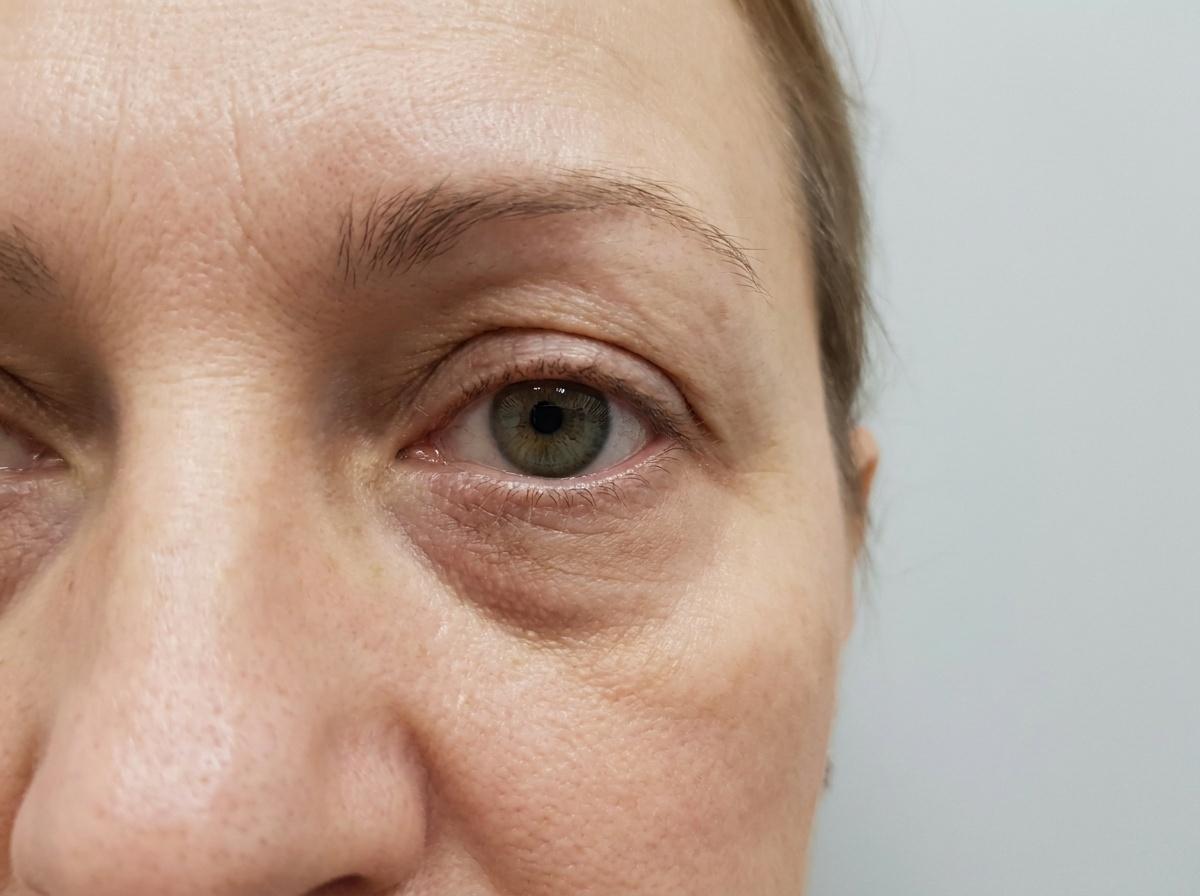
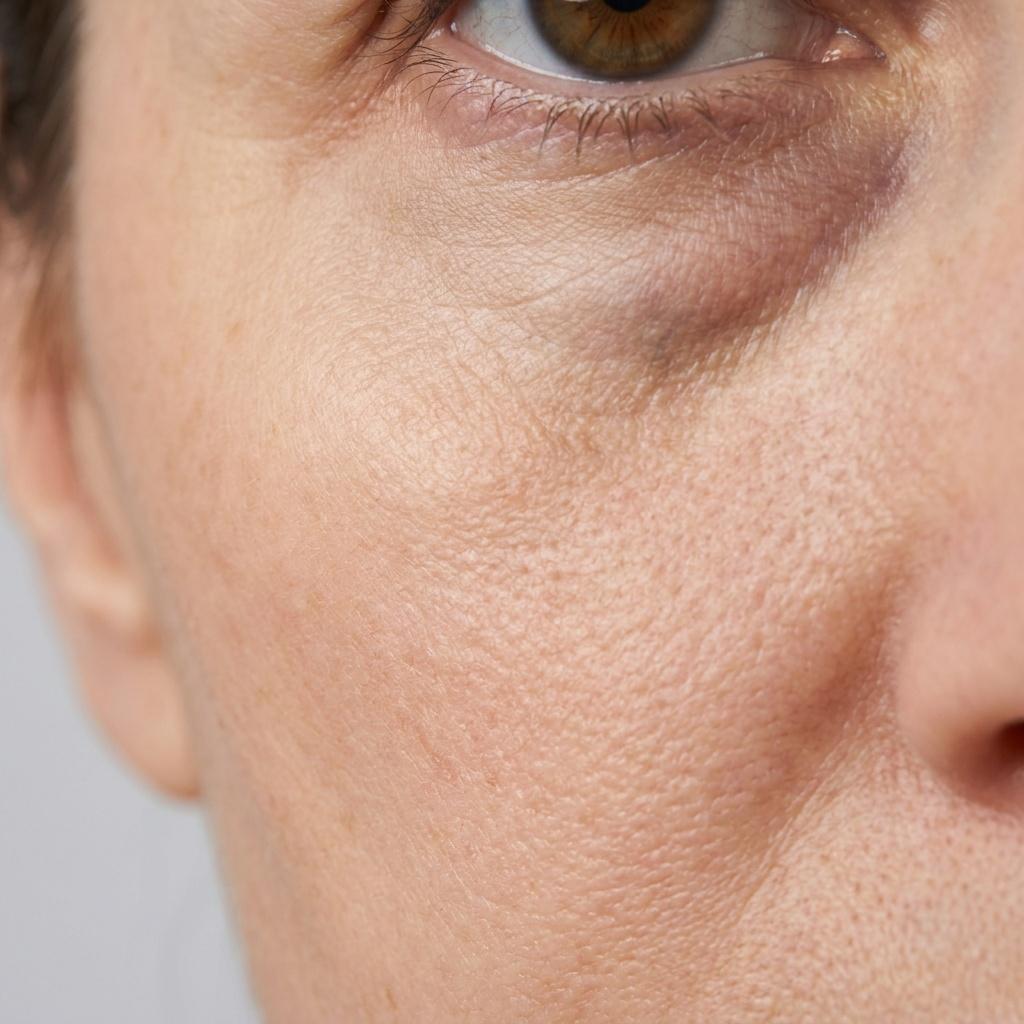
According to Cleveland Clinic, one of the most common causes is ageing: the skin under the eyes loosens and thins, so blood vessels show through more. Hollows called tear troughs can also form, casting shadows that make eyes look puffier.
Genetics plays a part, and so does dermatitis, such as eczema or contact dermatitis, which dilates the blood vessels in the area.
What makes them worse
Cleveland Clinic names these factors:
- Lack of sleep.
- Rubbing or scratching the eyes, which can swell the area and break blood vessels.
- Allergies.
- Dehydration.
- Hyperpigmentation from the sun.
- Stress, heavy alcohol use and smoking.
Daily habits that help
The same source recommends about seven hours of sleep, an extra pillow to reduce fluid build-up and puffiness, and cold compresses. It also mentions cucumber slices or cold tea bags, gentle massage around the eyes and concealer to cover discolouration.
Avoid rubbing your eyes and manage allergies. Use sun protection on the area too, because sun can darken the skin.
What technology can do, and its limits
A review of low-level light therapy records that red and near-infrared light is absorbed by mitochondria in skin, and lists it among photorejuvenation uses for wrinkles and laxity. Its authors accept the field is controversial and that there is no agreement on dose or wavelength. It gives no specific data on dark circles.
A randomised trial of 108 women tested facial neuromuscular electrical stimulation and it was associated with a thicker zygomaticus major muscle and better self-rated firmness. It measured the cheek, not the dark-circle area, and the control group received no intervention.
In cosmetic terms, these devices may help improve the look of the eye contour. They do not remove dark circles or eye bags.
Using a device at home safely
The eye contour is delicate. Use a device only if it is designed for that area, with the recommended cream, and follow to the letter the time, intensity and eye protection the manufacturer specifies.
Avoid any electrical stimulation or radiofrequency device if you are pregnant or have a pacemaker or another implanted device. Stop the session if you feel pain, itching or redness, and do not use it with wounds or inflammation on the eyelid.
When to see a professional
Cleveland Clinic says to get checked if you have a dark circle or swelling under just one eye, because it can point to an underlying condition. Also if the circles persist or the swelling is excessive.
A professional can assess medical options, such as lightening creams, peels, laser or surgery, and explain their risks.
Realistic expectations
Cleveland Clinic points out that dark circles are usually caused by ageing, lost sleep or another common factor rather than a medical problem. If they are genetic or due to the structure of the area, the room for improvement with cosmetics or devices is limited.
Good sleep, sun protection and patience add the most. A device can accompany these, not solve them. Keep a note of how your eyes look in similar light every few days, so you judge any change fairly rather than on a good or bad morning.
Sources
- Cleveland ClinicDark Circles Under The Eyes: Causes & Treatment
- PubMed Central (Seminars in Cutaneous Medicine and Surgery)Low-level laser (light) therapy (LLLT) in skin: stimulating, healing, restoring
- Journal of Cosmetic DermatologyUse of a neuromuscular electrical stimulation device for facial muscle toning: A randomized, controlled trial
Informational content. It does not replace the advice of a healthcare professional. Images are illustrative, not customer results.